
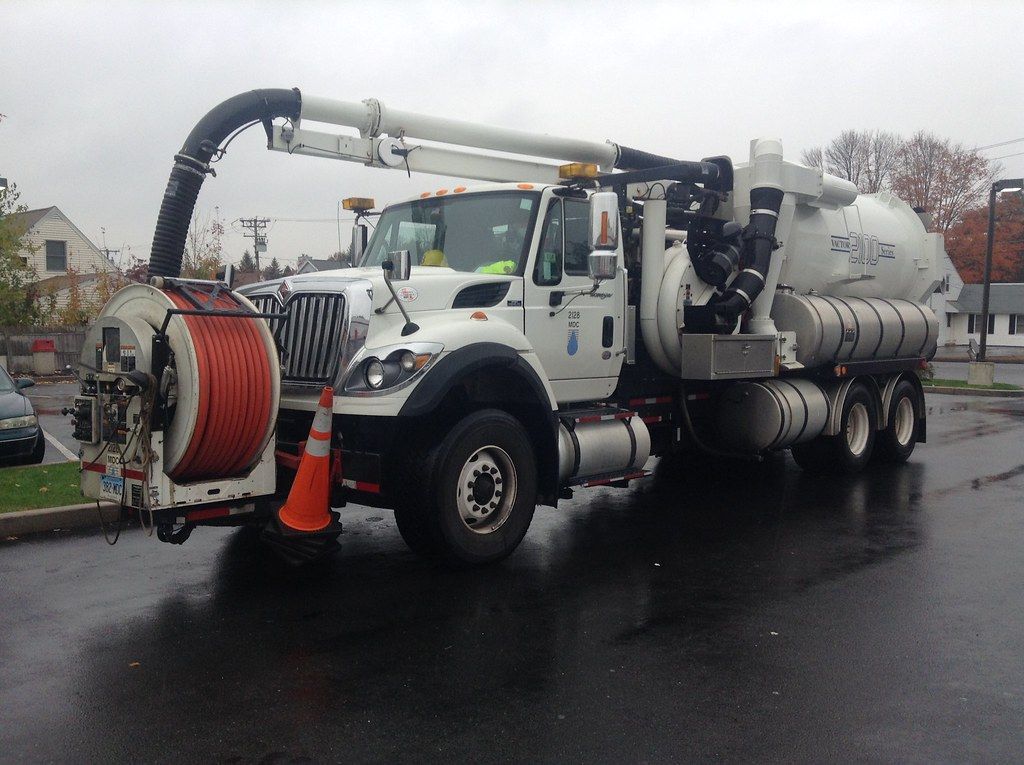
What sewer line cleaning actually is
Sewer line cleaning removes blockages and buildup from inside your lateral to restore full flow — without repairing or replacing the pipe itself. It is a maintenance and restoration service, not a structural fix. The two professional methods are mechanical snaking (a rotating cable with cutting heads that bores through blockages) and hydro jetting (high-pressure water that scours the full pipe interior). Both clear the line; they differ in thoroughness, and choosing between them matters.
Cleaning is the right service when the pipe is structurally sound but obstructed: grease buildup, scale, root fibers, flushed wipes, or sediment. It is the wrong service when the pipe is broken — cleaning a collapsed line is like detailing a car with a cracked engine block. That is why the camera matters even for "just a cleaning": a quick inspection confirms the pipe can actually benefit from cleaning, and it is why every reputable provider recommends camera inspection when clogs keep returning.
In Cerritos, cleaning plays a specific role in the lifecycle of a 1970s clay lateral: it is the recurring maintenance that keeps an aging-but-serviceable line flowing, the preparation step before trenchless lining (a liner cannot bond over debris), and the diagnostic step that reveals whether the real problem is buildup or damage. Our sewer repair service serving Cerritos treats cleaning as the beginning of the answer, not the whole answer.
Snaking vs. hydro jetting
Mechanical snaking (drain cabling) feeds a flexible steel cable with an attached cutting head into the line. The rotating head bores through soft blockages, cuts roots, and retrieves debris. Snaking is fast, affordable, and effective at restoring flow through a localized blockage. Its limitation: it punches a hole through the obstruction rather than cleaning the pipe walls. Grease lining the pipe, scale on cast iron, and fine root fibers remain — which is why snaked lines often clog again sooner.
Hydro jetting propels a hose with a specialized nozzle through the line, blasting water at 3,000–4,000 PSI in precisely angled jets that scour the entire pipe circumference — forward jets cut through blockages while rear jets pull the hose along and flush debris back. Jetting removes grease, descales cast iron, slices roots, and flushes sediment. The result is a line cleaned to near-original diameter, not just a hole punched through the clog. For preparation before lining, jetting is the standard; for recurring grease or root problems, it lasts significantly longer than snaking.
Jetting is powerful — and that demands care. High-pressure water in the wrong hands can damage fragile, already-broken pipe or force water where it should not go. Jetting should follow a camera inspection, not precede it: you need to know the pipe can take the pressure before applying it. Providers who jet blind are gambling with your lateral.
| Snaking | Hydro jetting | |
|---|---|---|
| What it does | Bores through blockages | Scours the full pipe interior |
| Best for | Localized soft clogs, quick flow restoration | Grease, scale, roots, pre-lining prep |
| How long it lasts | Shorter — buildup remains | Longer — pipe restored near original diameter |
| Risk | Low | Low when camera-verified first; risky on unknown broken pipe |
8 warning signs your lateral needs cleaning
- Slow drains across multiple fixtures. The lateral is the shared path; system-wide slowness points downstream of the branches.
- Recurring clogs in a line that cameras show is intact. If the pipe is sound but keeps clogging, buildup is the culprit and cleaning is the cure.
- Gurgling drains. Partial blockages displace air; gurgling is the sound of restricted flow.
- Water backing up in the lowest fixture. When the washer drains and the shower fills, the lateral is constricted — the lowest drain shows it first.
- Foul odors from drains. Grease and organic buildup decomposing in the line produce persistent smells.
- A kitchen-heavy household with years of grease. Cooking grease solidifies in the lateral over years. Homes that have never had the line jetted accumulate it steadily.
- Flushed wipes, even "flushable" ones. They do not break down like toilet paper; they snag on roots, joints, and scale and accumulate.
- Before a camera inspection or lining. Cleaning first gives the camera a clear view and gives a liner a clean surface to bond to.
What clogs Cerritos laterals
The big four: roots at clay joints (see tree root removal), grease from kitchens solidifying along the pipe, scale inside aging cast iron under-slab sections, and wipes and hygiene products that snag on any roughness. Bellies contribute by ponding waste that settles into sediment. What rarely clogs a Cerritos lateral on its own: the pipe material aging gracefully — clay and cast iron do not spontaneously narrow; something has to accumulate or intrude. If a provider blames "old pipes" for a clog without camera evidence of damage, get the video.
Safe checks you can do before calling
Determine the scope: one slow fixture is a branch drain you might clear with a plunger or hand auger; several slow fixtures mean the lateral, which is professional territory. Check for a cleanout and note whether it shows standing water. Stop flushing wipes immediately — even ones labeled flushable. Do not use chemical drain cleaners on a suspected main-line clog: they cannot dissolve roots or clear a lateral, they can damage older pipes, and they endanger the technician who opens the line later. A plunger on a toilet is fine; a rented power auger in untrained hands is not.
The "flushable" wipes myth. Wastewater agencies consistently find that so-called flushable wipes do not disintegrate in sewers. They are a leading cause of residential lateral clogs. The only things that belong in your sewer: water, human waste, and toilet paper.
The pro visit, step by step
- Scope assessment. Which fixtures, how long, any history of clogs — this determines snaking vs. jetting.
- Camera check. A quick look confirms the pipe is intact enough to clean safely — critical before jetting.
- Cleaning. Snaking for localized clogs; hydro jetting for grease, scale, roots, or full-line restoration.
- Flush and verify. Water is run through every fixture to confirm full flow is restored.
- Post-cleaning camera pass. With the line clear, the camera surveys for the underlying cause — joints, bellies, cracks.
- Honest next steps. If the pipe is sound, you get maintenance advice. If it is damaged, you get repair options with video evidence.
What drives the cost of sewer line cleaning
| Factor | How it affects your job |
|---|---|
| Method | Snaking is the most affordable option; hydro jetting costs more and cleans more. |
| Severity | A simple clog is quick; a fully matted root intrusion or heavy grease takes time. |
| Access | Cleanout access vs. pulling a toilet; longer runs take longer. |
| Camera verification | The inspection that makes cleaning a diagnosis rather than a guess. |
Cleaning is the most affordable service on this site — which makes it the right first step for flow problems and the wrong repeated step for structural problems. If you are cleaning the same line every year, the money is telling you something: get the camera footage and price the repair.
When it is an emergency
Sewage backing into the home is an emergency even when the cause is "just" a clog. Stop using water, keep people and pets away from the sewage, and call (562) 555-0119. Emergency cleaning restores flow first; the camera afterward finds out why it clogged.
Sewer line cleaning FAQs
Do I need snaking or hydro jetting?
Snaking restores flow through a localized clog quickly and affordably. Jetting scours the full pipe — better for grease, scale, roots, and pre-lining preparation, and it lasts longer. The camera and the clog history point to the right one; many jobs start with snaking and step up to jetting when buildup is the issue.
How often should my sewer line be cleaned?
There is no fixed schedule — it depends on roots, grease habits, and pipe condition. A sound line may go years; a root-prone clay line may need attention on a cycle. Let camera findings set the interval, not a marketing calendar.
Is hydro jetting safe for old clay pipes?
Only after a camera inspection confirms the pipe can take the pressure. Jetting intact clay is routine; jetting a collapsed or badly broken line is not. Camera first, pressure second — always.
Can I rent a jetter and clean the line myself?
We do not recommend it. Professional jetters operate at pressures that demand training, and without a camera you cannot know whether the pipe is intact. A hand auger on a branch drain is reasonable DIY; a main lateral is not.
Why did my line clog again right after cleaning?
Because cleaning removes the obstruction, not the defect that caused it — an open joint, a belly, or an offset is still there. One quick recurrence is a strong signal to get the camera in and price the repair.
Do enzyme treatments keep sewer lines clear?
They are harmless but they do not dissolve roots, cut grease buildup, or fix structural defects. Think of them as a mild maintenance habit, not a solution to any real problem.
Related services
Pair cleaning with sewer camera inspection for real diagnosis. For root-driven clogs, see tree root removal; for permanent fixes, trenchless sewer repair and sewer line replacement. Learn about your sewer lateral. Our sewer repair service serving Cerritos cleans first, cameras always, and repairs only what the video proves.
Restore full flow — then find out why it clogged.
Call now and get connected with a Cerritos sewer specialist. Cleaning plus a camera pass turns a clog into a diagnosis.
(562) 555-0119